Copilot Agents for Product and Sales-Ops Teams
Two copilot agents serving Adobe Product and Sales-ops teams, 50+ PRDs, user stories, and release notes generated through agent loops, both agents cleared Adobe Legal and AI review.
- LLM agents
- PRD automation
- User-story synthesis
- Release notes
- PRDs, stories, release notes
- 50+
- colleagues using
- 60+
- review cleared
- Legal + AI
Built and shipped two copilot agents that compress the product-documentation cycle for Adobe Product and Sales-ops teams. 50+ artefacts generated, structured, and refined through agent loops, with humans editing only the edges. Both agents cleared Adobe Legal and AI review before rollout.
Context
Across Adobe Product and Sales-ops teams, the documentation cycle around PRDs, user stories, and release notes was the slowest part of every release. Writing them was tractable; keeping them consistent across teams, regions, and reviewers was not.
Each PM and ops lead was spending a meaningful fraction of every cycle on formatting and consistency tax instead of judgment work.
Constraints I had to design around
The output had to match each team's existing templates exactly, not generic LLM prose. Internal docs do not tolerate stylistic drift, and Adobe Legal and AI review had to clear the agents before any rollout.
Reviewers had to trust the output enough to edit, not rewrite. If the first draft is wrong in shape, the agent is net-negative.
Nothing auto-merges. Every artefact is editable, every artefact is owned by a human PM or ops lead at the end.
What shipped
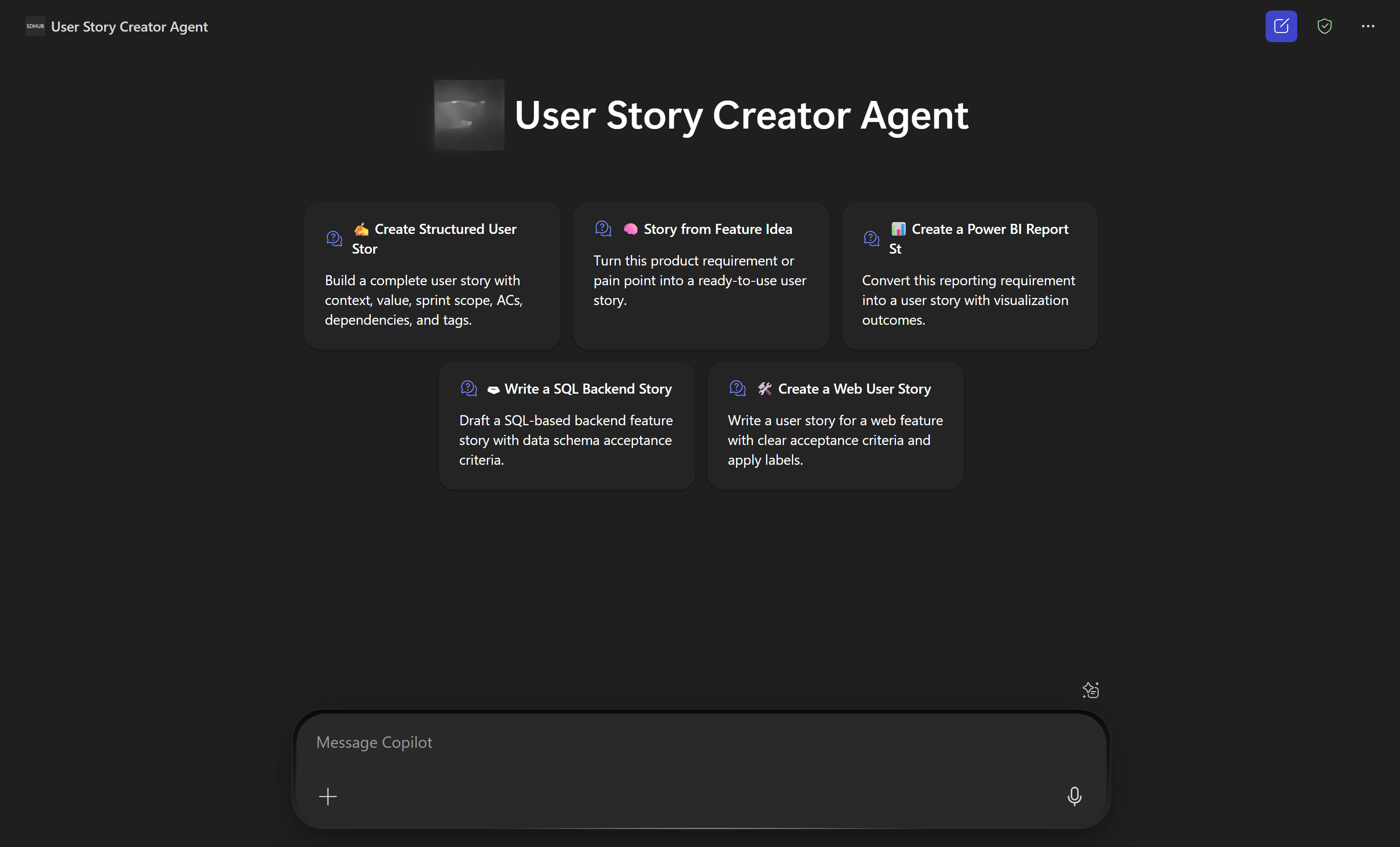
Two copilot agents that take feature or campaign intent as input and produce PRDs, user stories, and release notes as output, formatted to each team's actual templates and acceptance-criteria patterns.
50+ artefacts generated through the loop, used by 60+ colleagues across Product and Sales-ops. The agents do not replace the PM, they remove the blank-page step and the consistency-tax step so the human spends time on judgment, not formatting.
The design call
The agents are constrained to each team's existing voice, definition-of-done, and acceptance-criteria patterns. The output is editable, never auto-merged. Adoption came from making the agents feel like a fast colleague, not a magic button.
The product surface deliberately looks boring. There is no chat, there is no 'AI' branding inside the tool. It produces drafts, in the right format, in the right voice, and gets out of the way. That restraint is what got both agents through Legal and AI review on the way to rollout.
"The win wasn't 'AI writes our PRDs'. It was removing the friction at the seams of the documentation cycle so the actual product work moved faster, while still satisfying Adobe Legal and AI review. Recognised with the Adobe Innovation Award (Create the Future) for agentic AI workflows."